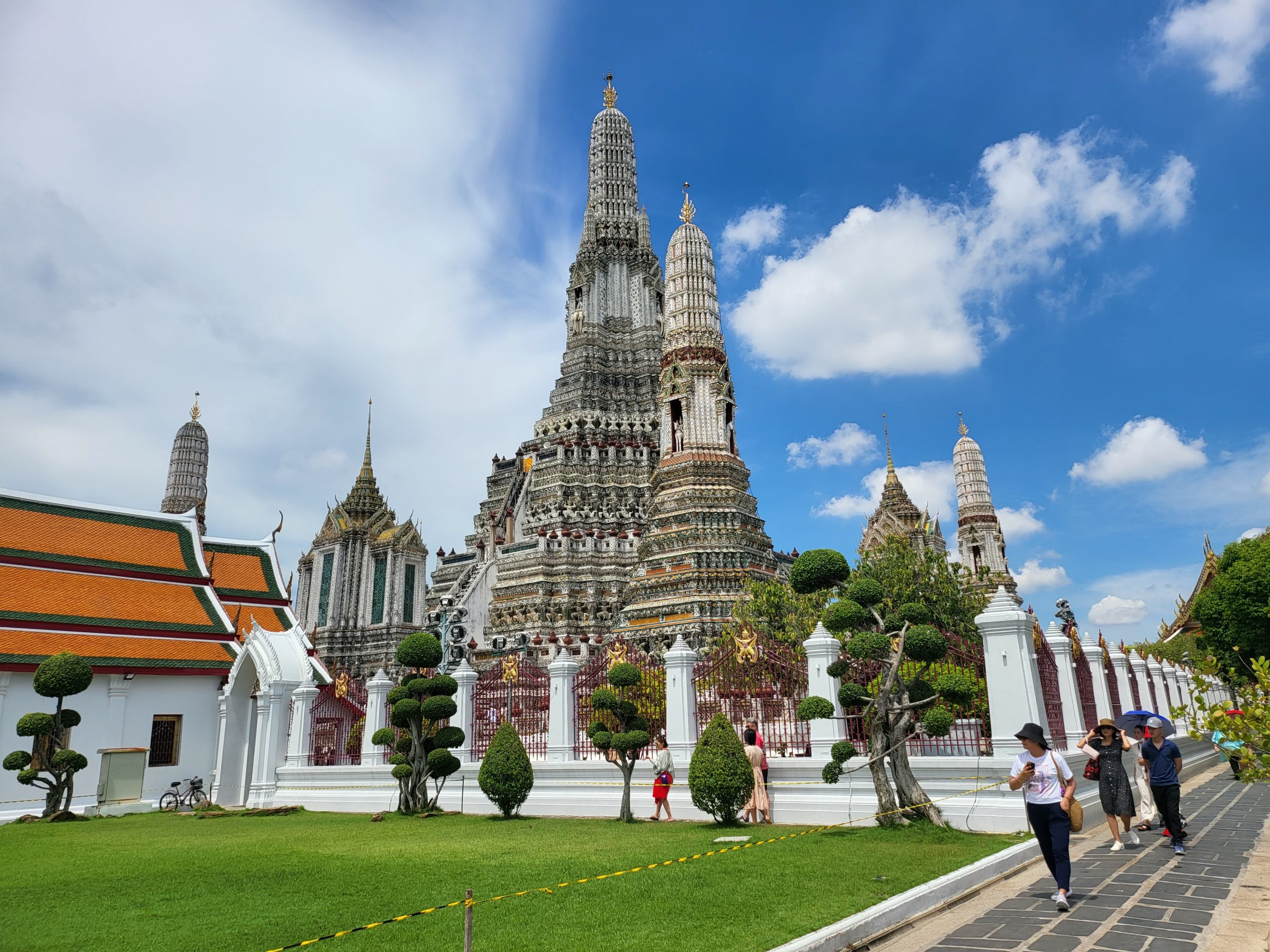
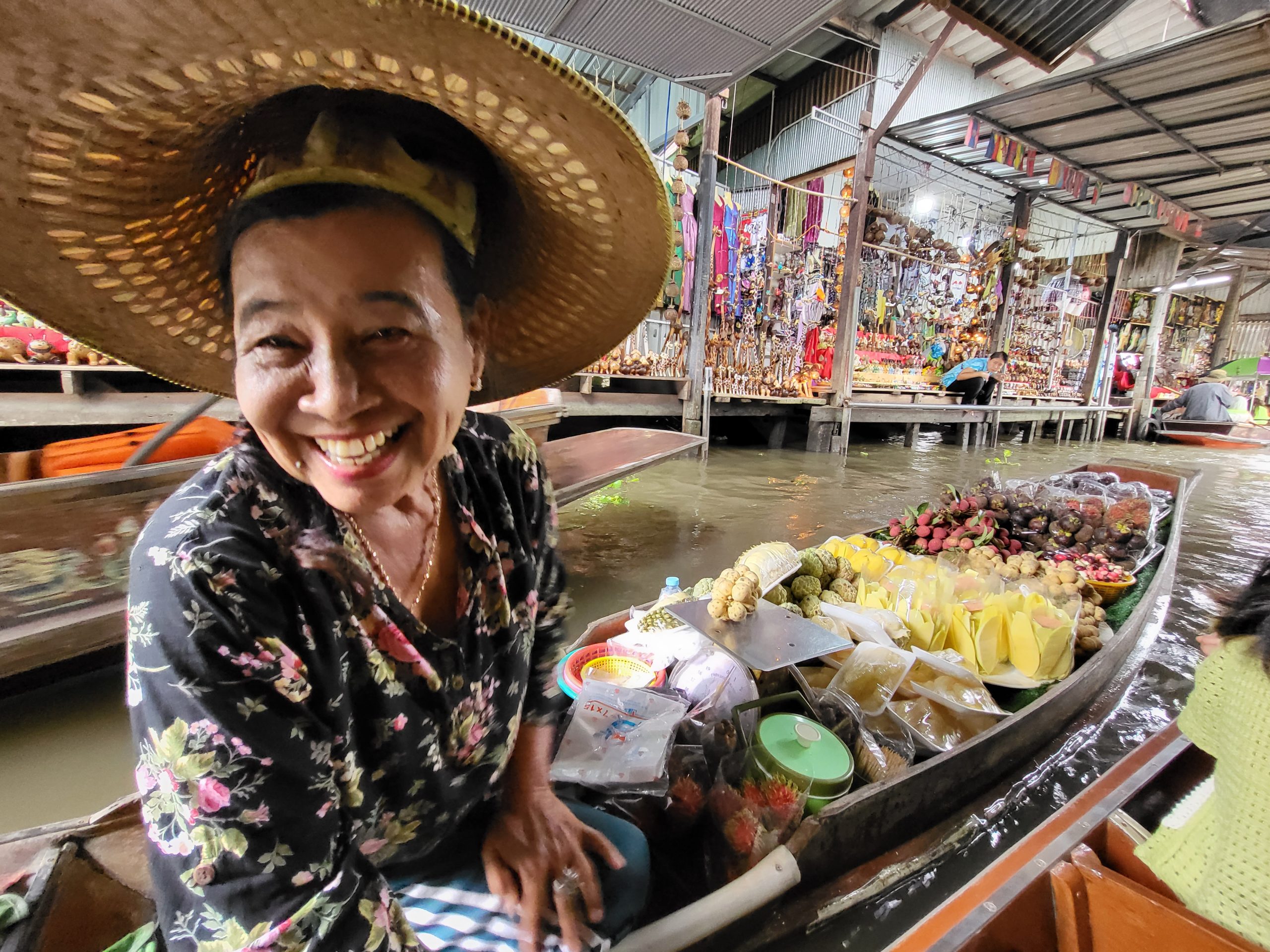
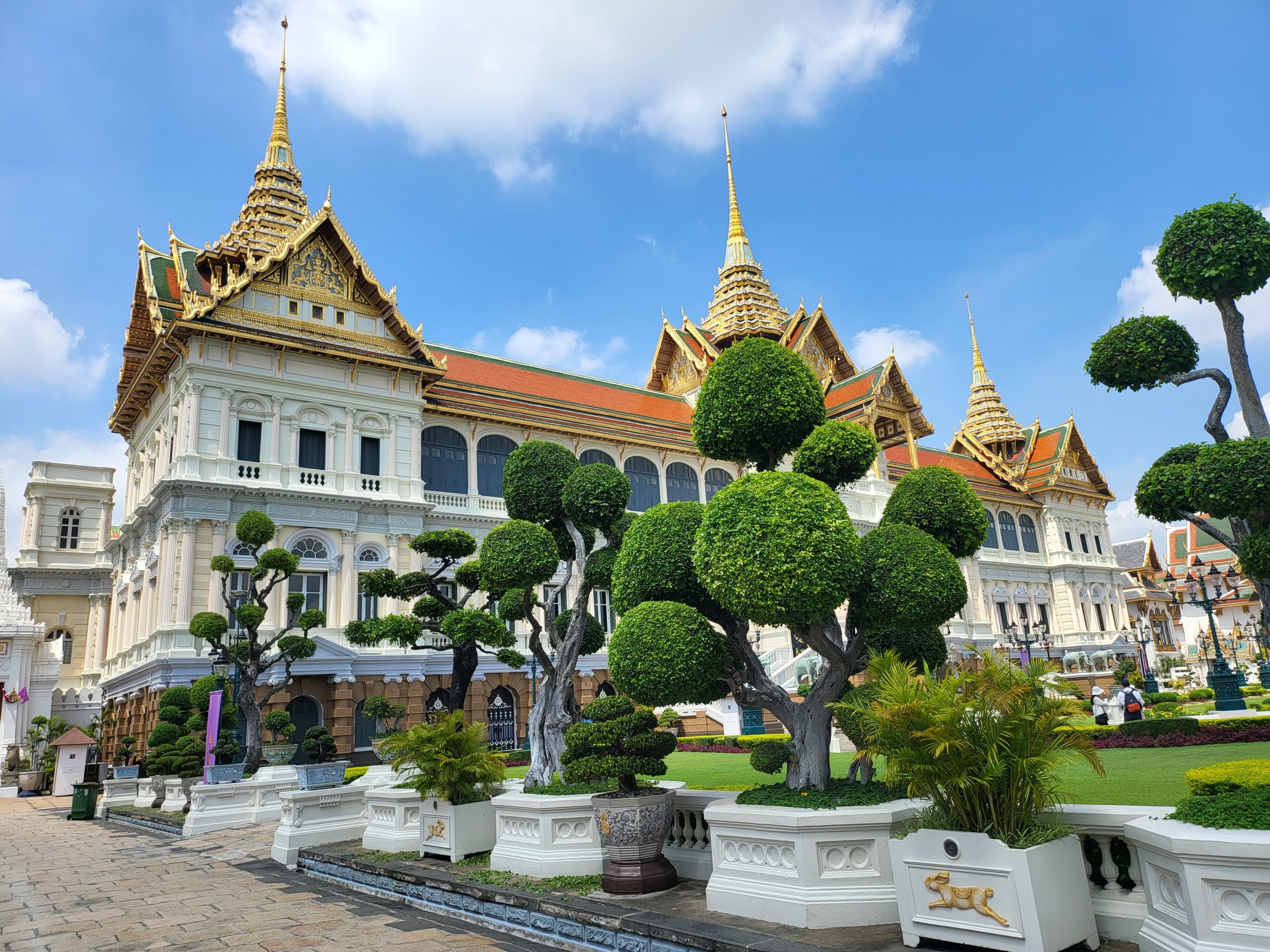
The morning mist lifts slowly off the Chao Phraya River, revealing a skyline that hasn’t changed in centuries. Brick stupas, weathered to the color of burnt sienna, pierce through canopies of banyan trees. A saffron-robed monk walks silently past a row of headless Buddhas, their stone torsos still radiating a quiet dignity. This is Ayutthaya—Thailand’s ancient capital, a city that once rivaled London and Paris in size and splendor, and now stands as one of Southeast Asia’s most evocative open-air museums.
Just 80 kilometers north of Bangkok, Ayutthaya is an easy escape from the capital’s frenetic energy. Whether you’re a history enthusiast, a culture seeker, or someone who simply wants to cycle through centuries-old temple ruins at golden hour, this UNESCO World Heritage Site delivers an experience that photographs well but feels even better in person.
Why Visit Ayutthaya?
Ayutthaya isn’t just another stop on the well-trodden Thailand tourist trail. Founded in 1350 by King U-Thong, the city served as the capital of the Siamese Kingdom for over 400 years, functioning as a major hub of global trade where merchants from China, Japan, India, Portugal, and the Netherlands gathered to exchange goods and ideas. At its peak, the city was home to nearly one million residents, making it one of the largest urban centers on the planet.
Today, the ruins of that golden age are scattered across an island formed by the confluence of three rivers—the Chao Phraya, Pa Sak, and Lopburi. The Ayutthaya Historical Park, recognized by UNESCO in 1991, preserves hundreds of temple complexes, monasteries, and royal palace foundations, each telling fragments of a story that ended abruptly when Burmese forces sacked the city in 1767.
What sets Ayutthaya apart from similar heritage sites in the region is its accessibility and its texture. Unlike Angkor Wat, which requires a flight to Siem Reap and multi-day planning, Ayutthaya sits barely an hour from Bangkok by train. The temples here aren’t roped off behind velvet barriers; you walk among them, touching warm brick, stepping over roots that have been slowly reclaiming walls for two and a half centuries.
A Brief History: The Rise and Fall of a Kingdom
Understanding Ayutthaya’s history transforms a visit from sightseeing into something closer to pilgrimage. The city was strategically positioned at the meeting point of three rivers, providing natural defense and direct ocean trade access. Through strategic alliances, military campaigns, and shrewd diplomacy, Ayutthaya’s rulers expanded their domain to encompass much of modern-day Thailand, Cambodia, Laos, and Myanmar.
The kingdom grew immensely wealthy. Portuguese missionaries who arrived in the 16th century described a city glittering with gold-plated stupas, elaborate Buddhist libraries, and gondola-filled waterways. A Japanese trading quarter, a Portuguese settlement, and a Dutch trading post all operated simultaneously within the city walls.
But prosperity attracted envy. After a series of wars, the Burmese army launched a devastating siege in 1767, destroying temples, melting down gold, and beheading Buddha statues as acts of symbolic conquest. The Siamese court fled south, eventually establishing Bangkok as the new capital rather than rebuilding what had been lost. For nearly two centuries, the jungle slowly consumed Ayutthaya’s ruins until 20th-century conservation efforts and UNESCO recognition brought the site back into the global spotlight.
Top Temples & Must-See Attractions in Ayutthaya
Wat Mahathat — The Iconic Buddha in the Banyan Roots
No image represents Ayutthaya more powerfully than the serene stone Buddha face cradled in the gnarled roots of a banyan tree at Wat Mahathat. Originally constructed in 1374, this monastery was one of the most important in the kingdom, housing relics and serving as the seat of the Supreme Patriarch. Today, headless Buddha statues line crumbling walls, each one a testament to the Burmese destruction. Visitors are asked to crouch below the Buddha head when taking photographs—a gesture of respect that costs nothing and means everything.
Entrance fee: 50 THB | Open: 8:00 AM – 6:00 PM
Wat Phra Si Sanphet — The Royal Temple
The three elegant bell-shaped chedis (stupas) of Wat Phra Si Sanphet form the most recognizable silhouette in Ayutthaya. Once the grandest temple in the kingdom, located within the Royal Palace grounds, it was the equivalent of Bangkok’s Wat Phra Kaew. The chedis contained the ashes of three Ayutthaya kings, and the entire complex was off-limits to commoners during the kingdom’s heyday. Walk between the massive structures at sunrise and you’ll have the place nearly to yourself.
Entrance fee: 50 THB | Best visited: Early morning for soft light and fewer crowds
Wat Chaiwatthanaram — The Riverside Masterpiece
Built in 1630 in the Khmer architectural style, Wat Chaiwatthanaram sits dramatically on the west bank of the Chao Phraya River. Its central prang (tower) rises above a symmetrical courtyard of smaller chedis, creating a composition that echoes Angkor Wat on a more intimate scale. This is the temple to visit at sunset, when the warm light sets the brickwork ablaze and the river mirrors the sky in shades of orange and violet. Many sunset boat cruises include this temple as the centerpiece.
Entrance fee: 50 THB | Best visited: Late afternoon through sunset
Wat Yai Chai Mongkhon — The Victory Monument
Rising high above the surrounding rice fields, the massive chedi of Wat Yai Chai Mongkhon was built to celebrate King Naresuan’s victory over the Burmese in single combat on elephants in 1592. Unlike many Ayutthaya temples, this one remains an active monastery with monks in residence. A large reclining Buddha draped in saffron cloth lies in the courtyard, and visitors often place coins in small Buddha statues that line the perimeter for good fortune.
Entrance fee: 20 THB | Best for: Active temple atmosphere with monks in residence
Wat Ratchaburana — The Treasure Vault
Known as the “Temple of the Royal Restoration,” Wat Ratchaburana features one of the best-preserved Khmer-style prangs in Ayutthaya. In 1957, looters broke into a crypt beneath the main tower and discovered a cache of golden relics. The recovered treasures funded the construction of Ayutthaya’s national museum, where they remain on display. You can still descend narrow stairs into the crypt to see faded but remarkable murals.
Entrance fee: 50 THB | Don’t miss: The underground crypt with original murals
Wihan Phra Mongkhon Bophit — The Great Bronze Buddha
Housing one of the largest bronze Buddha images in Thailand, this restored viharn (worship hall) sits adjacent to Wat Phra Si Sanphet. The Buddha image dates to the 15th century and has survived lightning strikes, building collapses, and the 1767 destruction. It was extensively restored in the mid-20th century and now gleams beneath a soaring golden hall. Entry is free, making it an accessible stop for all visitors.
Entrance fee: Free
How to Get to Ayutthaya from Bangkok
Ayutthaya’s proximity to Bangkok makes it one of the easiest day trips in Thailand. Several transport options cater to different budgets and travel styles:
| Transport | Duration | Cost (THB) | Notes |
| Train | 1–1.5 hours | 15–345 | Departs from Krung Thep Aphiwat Central Terminal. Scenic, affordable, runs ~28 times daily. |
| Minivan | 1.5–2 hours | 60–100 | From Mo Chit Bus Terminal. Faster but less comfortable. |
| Private Car | 1–1.5 hours | 1,500–2,500 | Door-to-door convenience. Book via Klook or 12Go Asia. |
| Guided Tour | Full day | 1,000–2,000 | All-inclusive with hotel pickup, lunch, and guide. Ideal for first-timers. |
| River Cruise | 3–4 hours | 1,500–5,000+ | Premium experience via Chao Phraya. Heritage boats available. |
Getting Around Ayutthaya
Once you arrive in Ayutthaya, the compact layout of the historical island makes it relatively easy to navigate. Each mode of transport offers a different flavor of the experience:
- By Bicycle (40–100 THB/day): The most popular option among independent travelers. Rental shops cluster around Soi 2 near the guesthouses. Cycling allows you to move freely between temples at your own pace, with the wind in your hair and the scent of frangipani marking your route. Tip: Start early and avoid midday heat—Ayutthaya temperatures often exceed 35°C.
- By Tuk-Tuk (200–300 THB/hour): Colorful three-wheeled vehicles that seat up to six passengers. They wait at the train station and outside major temples. Always negotiate the price before boarding. A full-day charter (4–5 temples) typically costs 800–1,200 THB.
- By Motorbike (150–300 THB/day): Good for covering more ground quickly, especially temples outside the main island like Wat Yai Chai Mongkhon. Ensure you carry a valid license and wear a helmet.
- By Long-Tail Boat: River tours offer a unique perspective, especially at sunset. Boats can be hired from the pier near Chankasem Palace for approximately 1,000–1,500 THB per hour.
Best Time to Visit Ayutthaya
Ayutthaya sits in Thailand’s Central Plains, which means heat and humidity are near-constant companions. Timing your visit correctly can make the difference between a magical experience and a punishing one.
| Season | Months | Temp (°C) | Verdict |
| Cool Season | Nov – Jan | 20–32 | Best — lowest rainfall, pleasant mornings |
| Hot Season | Feb – May | 30–45 | Challenging — extreme heat, fewer crowds |
| Rainy Season | Jun – Oct | 25–35 | Mixed — occasional flooding, lush greenery |
Pro tip: January is the most popular month and accommodation prices spike accordingly. December and February offer nearly identical weather with fewer crowds and better hotel rates.
Where to Eat in Ayutthaya
Ayutthaya’s food scene is unpretentious and deeply satisfying. The city is famous for roti sai mai (cotton candy wrapped in a thin crepe) and fresh river prawns grilled to smoky perfection. Here are the dining experiences worth seeking out:
- Ayutthaya Night Market (Krungsri Market): Stretching along the banks of Bueng Phraram pond, this weekend market is the city’s liveliest after-dark scene. Long bamboo tables, pad thai cooked in woks the size of satellite dishes, grilled river fish, and local live performances make this a sensory feast.
- Coffee Old City: Directly opposite Wat Mahathat, this cafe serves as a cool-air sanctuary during the midday heat. Fast service, friendly staff, and temple views from the terrace make it the perfect recharge stop.
- Riverside Restaurants: Several restaurants along the Pa Sak and Chao Phraya rivers serve fresh prawns and classic Thai curries with water views. Ask locals for their current favorite—these rotate with the seasons.
- Roti Sai Mai Street Vendors: Ayutthaya’s signature snack is sold from colorful stalls along U-Thong Road. Watch vendors pull threads of spun sugar by hand before wrapping them in paper-thin roti. At 10–20 THB per piece, it’s the best cheap eat in town.
Where to Stay in Ayutthaya
While most visitors treat Ayutthaya as a day trip, staying overnight unlocks a quieter, more atmospheric experience—particularly the temple illuminations after dark. Options range from budget guesthouses along Soi 2 (from 300 THB/night) to boutique riverside hotels (1,500–5,000 THB/night). Staying on the island keeps you within cycling distance of the main Historical Park temples, while riverside hotels on the west bank offer sunset views of Wat Chaiwatthanaram.
Insider Tips for Visiting Ayutthaya
- Dress respectfully: Both men and women should cover shoulders and knees when entering temple grounds. Lightweight long pants and a scarf are versatile choices.
- Hydrate aggressively: Temperatures regularly exceed 35°C, and shade is scarce between temples. Carry at least 1.5 liters of water and replenish at every 7-Eleven.
- Go early or go late: Temples open at 8:00 AM. Arriving at opening time means cooler temperatures, softer light for photography, and near-empty sites. Return in the late afternoon for golden-hour shots.
- Skip the elephant rides: Elephant riding is still offered in Ayutthaya, but animal welfare organizations strongly discourage it. The practice causes significant physical and psychological harm to the animals. Ethical travelers should avoid this activity.
- Download offline maps: Mobile data can be spotty around the outer temples. Download Google Maps offline before arriving.
- Bring cash: Many temples, bicycle rental shops, and street food vendors only accept cash. ATMs are available near the train station and on Naresuan Road.
- Combine with Bang Pa-In: The Bang Pa-In Royal Palace, a former summer residence of the Thai monarchy, sits about 20 km south of Ayutthaya and makes an excellent addition to a two-day itinerary.
Suggested Ayutthaya Day Trip Itinerary
This itinerary balances the major highlights with enough breathing room to avoid heat exhaustion and actually enjoy each stop:
| Time | Activity | Details |
| 7:00 AM | Train from Bangkok | Depart Krung Thep Aphiwat Central Terminal |
| 8:30 AM | Arrive in Ayutthaya | Tuk-tuk to Historical Park or rent bicycle |
| 9:00 AM | Wat Yai Chai Mongkhon | Start at this active temple before crowds arrive |
| 10:00 AM | Wat Mahathat | See the iconic Buddha head in banyan tree roots |
| 10:45 AM | Wat Ratchaburana | Explore the underground crypt with ancient murals |
| 11:30 AM | Wat Phra Si Sanphet | Walk among the three royal chedis |
| 12:00 PM | Wihan Phra Mongkhon Bophit | Free entry; the great bronze Buddha |
| 12:30 PM | Lunch break | Riverside restaurant or Coffee Old City for AC |
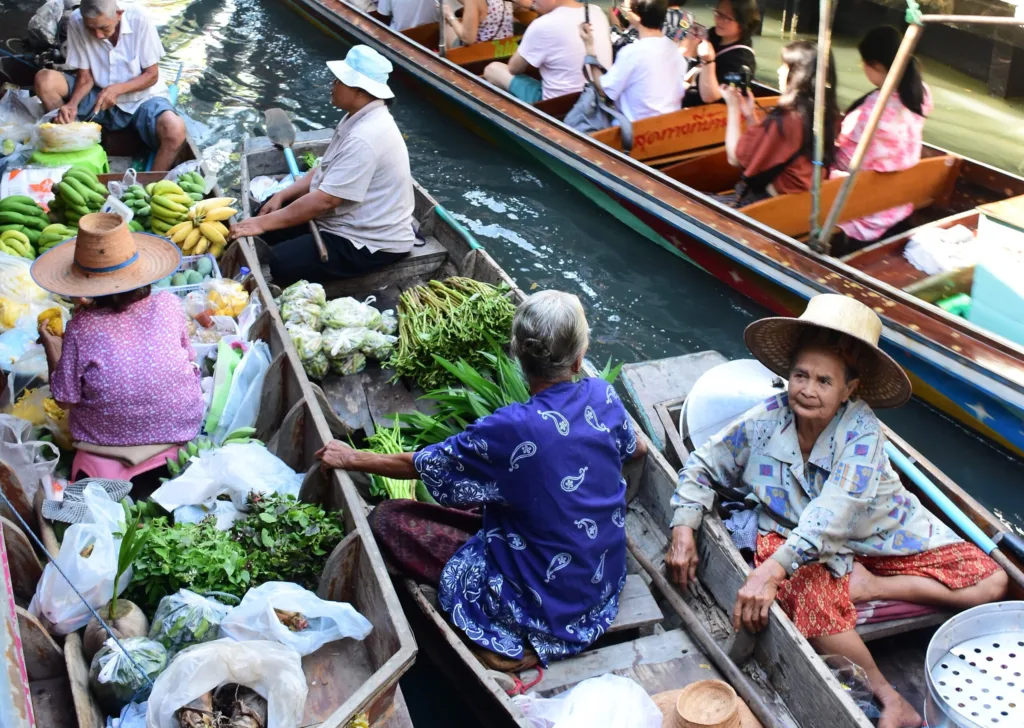
| 2:00 PM | Ayutthaya Floating Market | Browse souvenirs, sample local snacks |
| 3:30 PM | Rest / explore Ko Loi | Cycle the peaceful river island |
| 4:30 PM | Wat Chaiwatthanaram | Arrive for sunset golden hour photography |
| 6:00 PM | Night Market (weekend) | Street food dinner at Krungsri Market |
| 7:30 PM | Return to Bangkok | Evening train back to the capital |
Final Thoughts: Ayutthaya Deserves More Than a Day
Ayutthaya rewards the traveler who lingers. While a day trip from Bangkok covers the highlights, spending a night or two reveals layers that rushed visits miss—the temple illuminations that glow against a navy sky, the morning alms-giving rituals, the roti sai mai vendors who pull cotton candy at dawn, the silent boat rides through neighborhoods where wooden houses lean over canals. This is a city that once drew merchants from across the known world. It still has that gravitational pull, if you let it work.
Have you visited Ayutthaya? What was the moment that stopped you in your tracks? Share your experience—and if you’re still planning, we hope this guide helps you craft a trip that goes beyond the postcard.